
How fast can you deploy after a disaster?
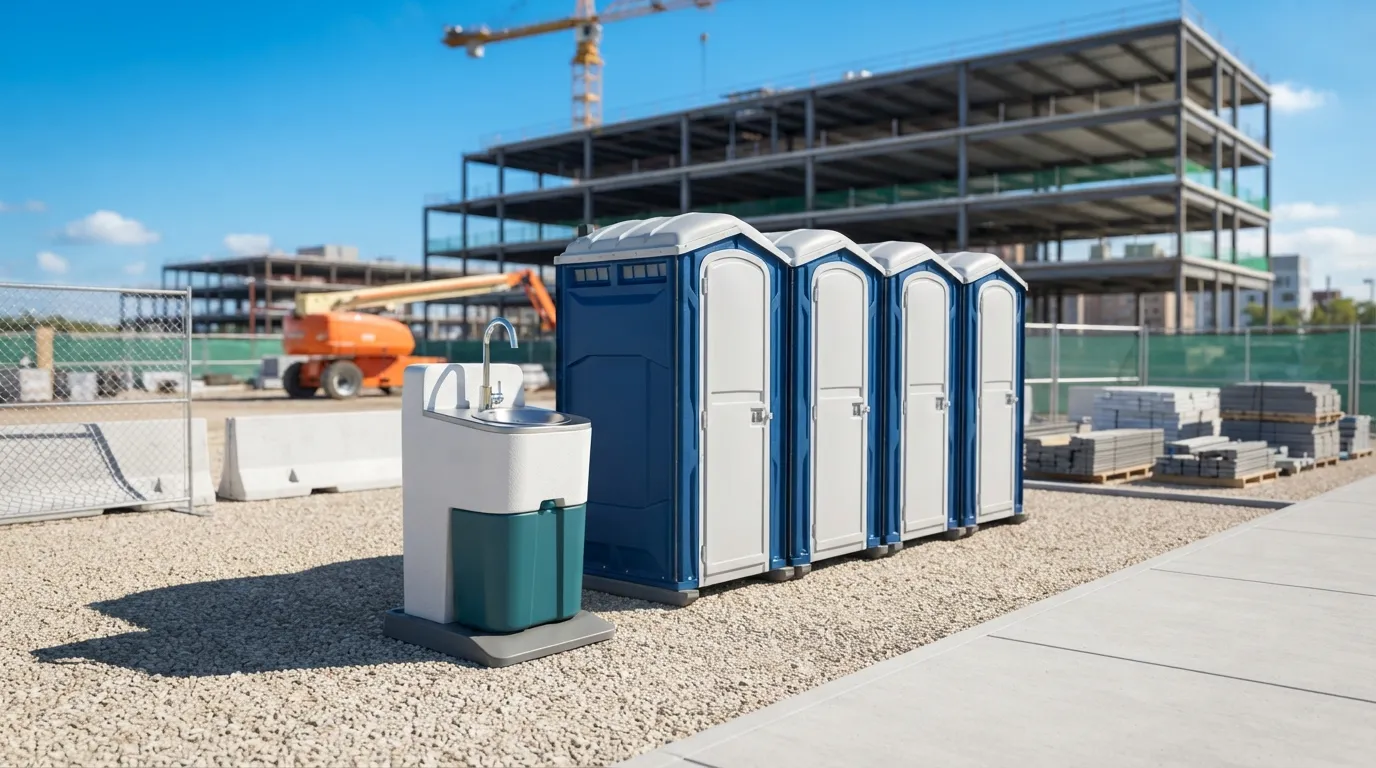
Emergency response starts with a phone call, not a formal bid process. Our emergency porta potty rental service exists for exactly this reason. We stage standard units and handwashing station rental equipment ready to move, because floods and tornadoes do not wait for normal lead times.
A Red Cross shelter, a church serving as a relief hub, a National Guard staging area near Montgomery: all need working restrooms fast, and all need water people can trust. OSHA 1926.51(a)(1) requires an adequate supply of potable water at any place of employment, and that standard does not disappear because the grid is down. We pair portable sink rental or hand sanitizer station rental units with toilets so responders and displaced residents both get clean water on demand.
Distance matters in a disaster. Crews staged near Prattville, 17.5 miles northwest of Montgomery, or Wetumpka, 18.6 miles north, still fall inside our normal delivery radius, so a relief effort spread across the region does not mean a slower response. We treat every disaster call the way we treat a same-day porta potty rental request: get it there, get it working, come back and service it.
What sanitation do relief sites actually need?
Every relief site needs three things: toilets, handwashing, and a way to keep both running once the power's back but the cleanup isn't. Standard units handle the toilets. For crews doing hands-on debris work, OSHA 1926.51(c) sets the ratio: one toilet facility for 20 workers or fewer, one toilet seat and one urinal per 40 workers once you pass 20. Shelter operations with disabled or elderly residents need at least one accessible unit; ADA Standards section 213.2 requires at least 5 percent of clustered single-user units to be accessible, and never fewer than one.
We also bring temporary fence rental to secure staging areas and keep debris piles fenced off from foot traffic, plus roll-off dumpster rental for storm debris, downed limbs and gutted drywall. A 20 yard or 30 yard dumpster rental clears a lot faster than truck hauling. If flooding damaged a septic system before the storm even hit, emergency septic service and septic pumping service get tanks pumped and functional again. Where structures are unsafe to occupy, a restroom trailer rental or 4 stall restroom trailer gives responders a real facility with running water instead of a bare unit.
Lighting matters too, especially in neighborhoods without power. We pair sanitation drops with light tower rental equipment so night cleanup crews and shelter grounds stay lit and safe. For command posts running generators and radios, a temporary power pole keeps things running until utility crews restore service.
Do you service ongoing recovery after the initial response?
Yes. Disaster response doesn't end when the water recedes. Cleanup runs for weeks, sometimes months, and units need weekly service at minimum under ANSI/PSAI Z4.3's baseline interval for units seeing regular use. We keep a route running through the recovery phase so units stay stocked and clean instead of becoming a second problem.
For extended cleanup on residential lots, a home renovation porta potty works well once demolition starts. If your relief operation is really a construction rebuild, our construction site services page covers toilets, dumpsters and fencing together. And if you need storage container rental for donated supplies or tools, a 20ft storage container secures gear on site without a second trip to a warehouse.
| unit | duration | typical price |
|---|---|---|
| standard | day | $150 |
| standard | week | $200 |
| standard | event | $400 |
| dumpster | day | $75 |
| dumpster | week | $600 |
| service_fee | week | $60 |
Pricing follows our standard porta potty rental cost and dumpster rental cost structure; disaster response doesn't carry a separate rate table, though weekend emergency mobilization often runs higher due to overtime staffing.
How many units does a shelter need?
It depends on headcount and hours of operation. For general guidance, OSHA 1926.51(c) sets the ratio at one toilet per 20 people for construction-style crews; shelters generally track closer to that ratio than looser event standards. Use our how many porta potties do I need guide, or call and we'll size it over the phone.
Can you deliver before permits are approved?
Placement in the public right of way needs confirming with the city; we recommend checking with Montgomery before curb or street placement. On private property, staging is usually immediate. See porta potty permit requirements for what to check first.
Do you provide accessible units for shelters?
Yes. ADA Standards section 213.2 requires at least one accessible unit in any cluster, and our ADA accessible porta potty units meet that standard with a 60 inch turning circle per section 304.3.1.
What if we need handwashing but no toilets?
That's common at supply distribution points. A standalone handwashing station rental or portable sink rental unit works fine without a toilet attached, and 29 CFR 1910.141(d)(2) requires soap and towels, not just sanitizer.
How quickly can you scale up if the disaster grows?
Fast. We add units and trucks as the response expands, same as any portable restroom rental surge for a large event. Call request a quote or contact us directly for real-time availability during active response.
Next step
Get a delivery date
Tell us the address, the dates and the headcount. We size the order and confirm the route.